
Ecosystem Surveillance and the "One Health" Approach: Lobéké and Campo Ma'an Parks Prepare with the INFORBIO Project
Liliane NguimdjioJanuary 21, 202614 viewsContenus Formations
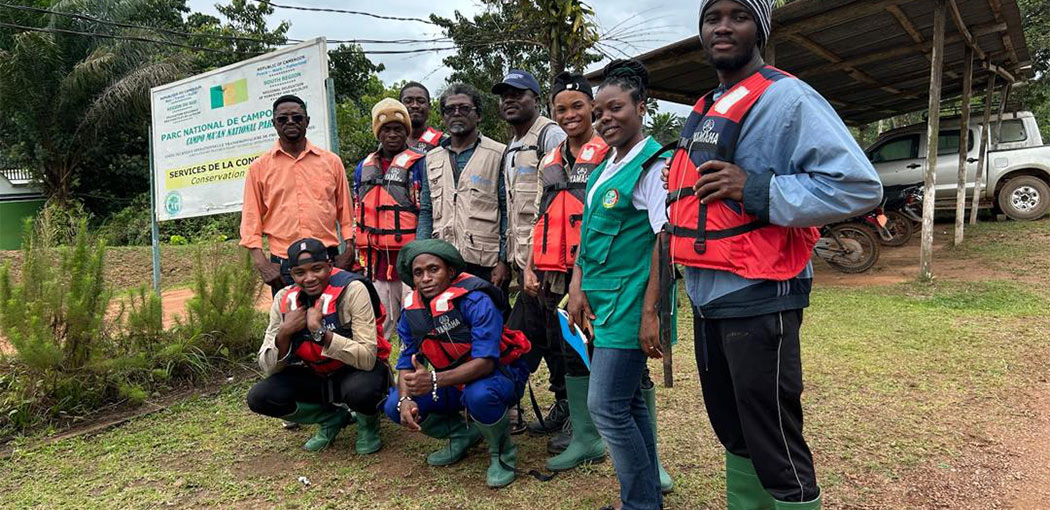
As part of the INFORBIO project aimed at strengthening forest and biodiversity management to mitigate climate change, a field mission was conducted in September 2025 in Lobéké (East) and Campo Ma'an (South) National Parks. The objective? To assess existing capacities, reinforce multisectoral collaboration, and lay the foundations for an integrated epidemiological surveillance system based on the "One Health" approach.
Facing the urgent need to preserve forest ecosystems while preventing emerging health risks, the INFORBIO project launched an exploratory mission in September 2025. The goal was twofold: to understand local dynamics and to lay the first groundwork for integrated ecosystem surveillance, founded on the "One Health" approach.
The mission relied on a qualitative and participatory methodology, combining working sessions with ministerial authorities, technical meetings with implementing partners like WWF and IITA, and direct exchanges with riparian communities, including indigenous populations. This fieldwork enabled the collection of data on ongoing activities, tools used, identified zoonoses, and existing collaboration mechanisms. The investigations revealed a rich yet fragmented landscape of actors. In Lobéké, conservation activities are well-established, but intersectoral collaboration remains informal. In Campo Ma'an, the presence of a public health actor constitutes a notable opportunity for the integrated approach. However, three major challenges persist: the absence of a formal collaboration framework between sectors, operational weaknesses in terms of equipment and training, and a communication deficit regarding the project's objectives and principles.
To remedy this, the mission proposes an action plan structured around six pillars: 1) formalizing a collaboration framework among all actors; 2) organizing a national launch workshop to align stakeholders; 3) strengthening the capacities of eco-guards and community agents; 4) operationalizing and equipping the Lobéké laboratory; 5) deploying an awareness campaign on the "One Health" approach; and 6) creating a Data Hub to centralize and leverage collected information.
This mission has thus served as a catalyst, providing a precise diagnosis and outlining a roadmap whose implementation will determine the success of the INFORBIO project and the resilience of these vital ecosystems.