
Cameroons battle against zoonotic threats: Steering Committee charts the course for 2025
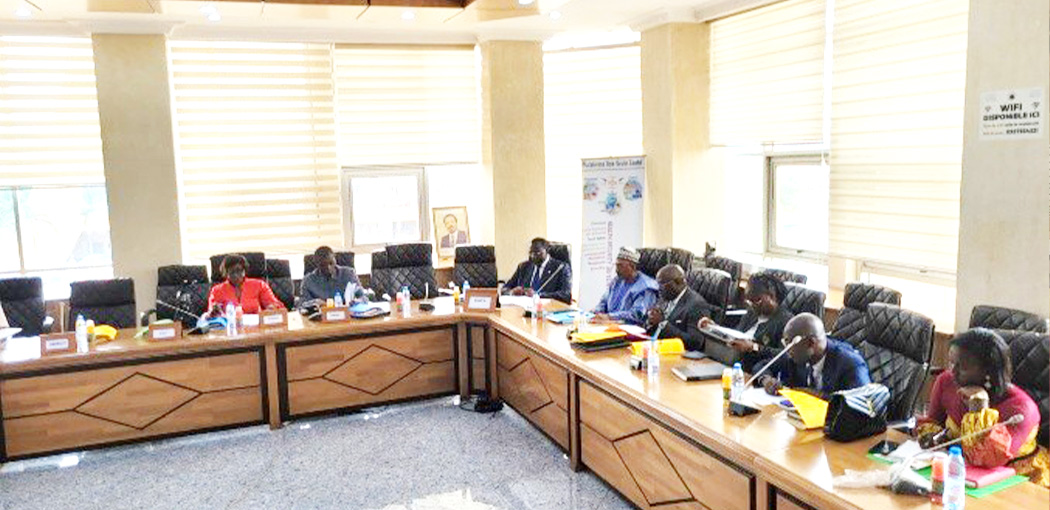
On April 9, 2025, in Yaoundé, Cameroon’s Strategic Orientation Committee (COS) held its 10th session , marking a crucial milestone in the country’s fight against zoonotic diseases. Hosted at the Prime Minister’s Office and chaired by the Deputy Secretary General, the meeting brought together experts and decision-makers to review the 2024 performance of the National Program for the Prevention and Fight Against Emerging and Re-emerging Zoonoses (PNPLZER) and to validate its 2025 Budgeted Annual Work Plan.
The 2024 report revealed strong progress: 96% of planned activities were completed, including the validation of the National One Health Action Plan and expanded outreach on Mpox and rabies. Yet, challenges remain. Sectoral silos, delayed financing, and lack of permanent staff continue to hinder full program execution.
For 2025, the roadmap is anchored on five strategic axes: surveillance, research, training, communication, and coordination. With a government-backed allocation of 505 million FCFA, the Program aims to strengthen community engagement, reinforce scientific efforts, and improve intersectoral coordination. However, the withdrawal of major funding partners like USAID signals the need for new financial avenues.
Among the key takeaways were forward-looking recommendations. These included securing a vehicle for field operations, producing all documents in both French and English, and clearly reporting budget execution per activity. The Committee also urged stronger website integration with sectoral ministries, increased community radio outreach, and the formal inclusion of actors like the Ministry of Defense and local councils. Above all, it called for the mobilization of qualified personnel from partner ministries and the exploration of new funding partnerships. As zoonotic threats loom ever larger, the COS session served not just as a review, but as a rallying point. With sustained commitment, Cameroon’s One Health platform may move beyond reacting to outbreaks—and toward preventing them altogether.